Dose of Nature Featured on BBC Radio 4


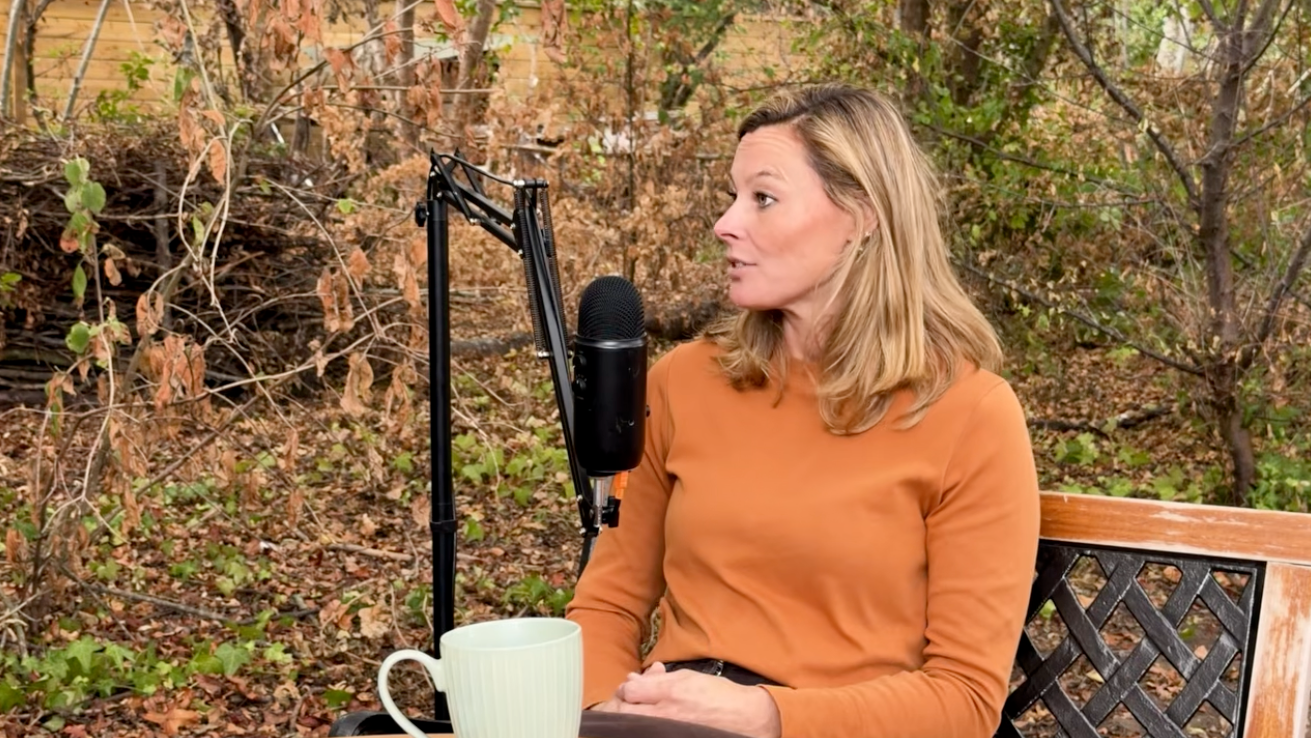
Last week, Dose of Nature was invited to join the conversation on BBC Radio 4’s The World Tonight, and also featured on the BBC World Service, to speak about the growing evidence behind nature-based mental health support.


In the Radio 4 interview, Dr Alison Greenwood shared some of the science underpinning why time in nature can be beneficial for mental wellbeing. She spoke about self-repeating fractal patterns, the patterns found throughout the natural world, and how exposure to these increases alpha waves in our brains, which are an indicator of a wakefully relaxed state.


The discussion also explored the idea of the “small self” theory: the experience of stepping into wider natural environments and feeling part of something larger. Rather than diminishing us, this shift in perspective can be reassuring and grounding. As Dr Greenwood reflected in the interview, this is perhaps because we are nature, not separate from it, and reconnecting with natural environments can help us remember that.


Dr Greenwood also highlighted the role of natural soundscapes, including the sound of moving water, and how these consistent sensory experiences can support relaxation and attention. These small but significant interactions with the natural world form part of what makes guided time in nature a meaningful addition to mental health support.


We’re grateful for the opportunity to contribute to a wider public conversation about accessible, preventative approaches to mental health, and to share more about how nature-based interventions are being used alongside existing services.


You can listen to the Radio 4 interview here.

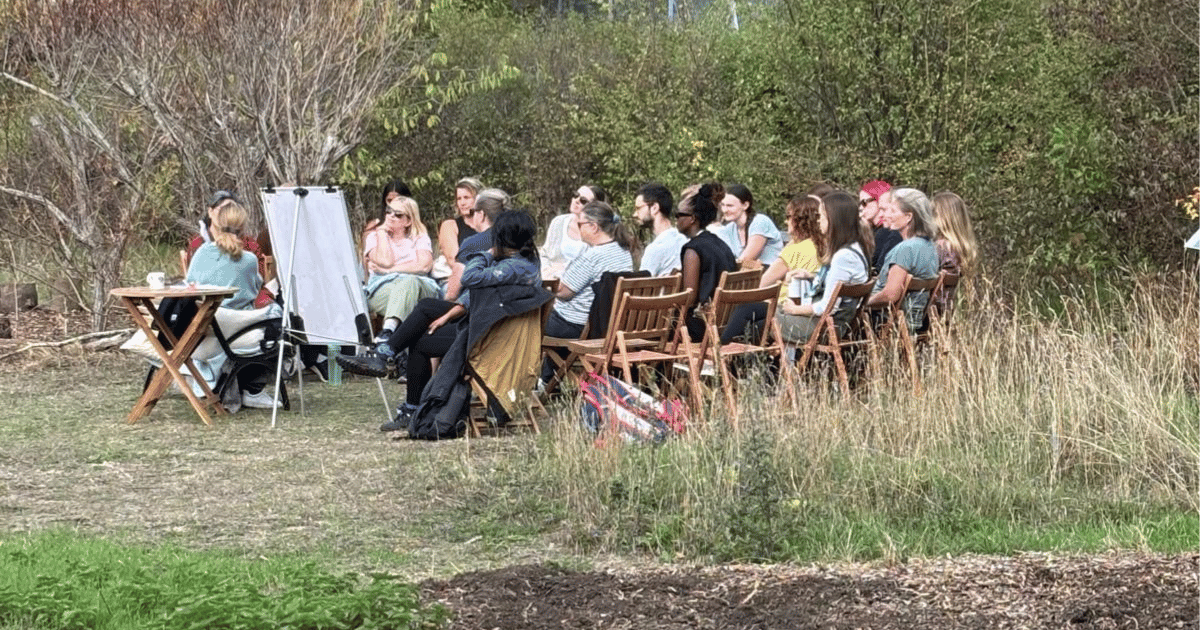
A group of practitioners sat in a circle outside drinking tea
July 1, 2026
Mental health practitioners from West London NHS Trust complete training with Dose of Nature at Pensford Field, Kew to deliver 10-week nature prescriptions for psychosis recovery, backed by a new LSE trial.
LSE Report Front Cover - Dose of Nature Impact Evaluation Report 2025
By Alison Greenwood July 1, 2026
A landmark 2.5-year study by the London School of Economics (LSE) proves that Dose of Nature prescriptions significantly reduce anxiety, depression, and loneliness while offering high value for money.
June 1, 2026
We are delighted to share that the Chimo Trust has made a substantial new grant to support the next stage of Dose of Nature’s development, with a particular focus on expanding access for young people experiencing mental health challenges. We first began working with Chimo Trust in 2022, and from the outset they recognised both the urgency of the mental health crisis facing young people and the potential for nature-based interventions to play a meaningful role alongside existing services. At Dose of Nature, we believe that many people fall into the gap between early emotional distress and the threshold for specialist NHS support. Our nature prescriptions are designed to offer an accessible, non-stigmatising and evidence-based intervention that helps people reconnect — with themselves, with others and with the natural world. Over recent years, we have continued to build the evidence base for this approach, including through a randomised controlled trial conducted with the London School of Economics and Political Science. Our outcomes have consistently demonstrated levels of recovery and improvement that outperform average national talking therapy benchmarks, while delivering support in a way that feels more human, preventative and accessible. This new funding from Chimo Trust will support the development of our partnership model, enabling us to work alongside organisations across the UK to deliver Dose of Nature prescriptions for young people in both clinical and community settings. The aim is not only to expand access, but also to help build a scalable model that can support earlier intervention and long-term wellbeing in more communities. The timing of this support is particularly important. The recent interim report from the UK Government’s review into young people’s mental health highlighted the growing need for “earlier, less intensive and more accessible forms” of support beyond specialist clinical services. We believe nature-based interventions can play an important role in that future — especially when they are evidence-based, clinically informed and delivered through trusted community partnerships. We are hugely grateful to Chimo Trust for their continued belief in our work and for helping us take this next step toward making nature-based mental health support more widely available to the young people who need it most.
More Posts