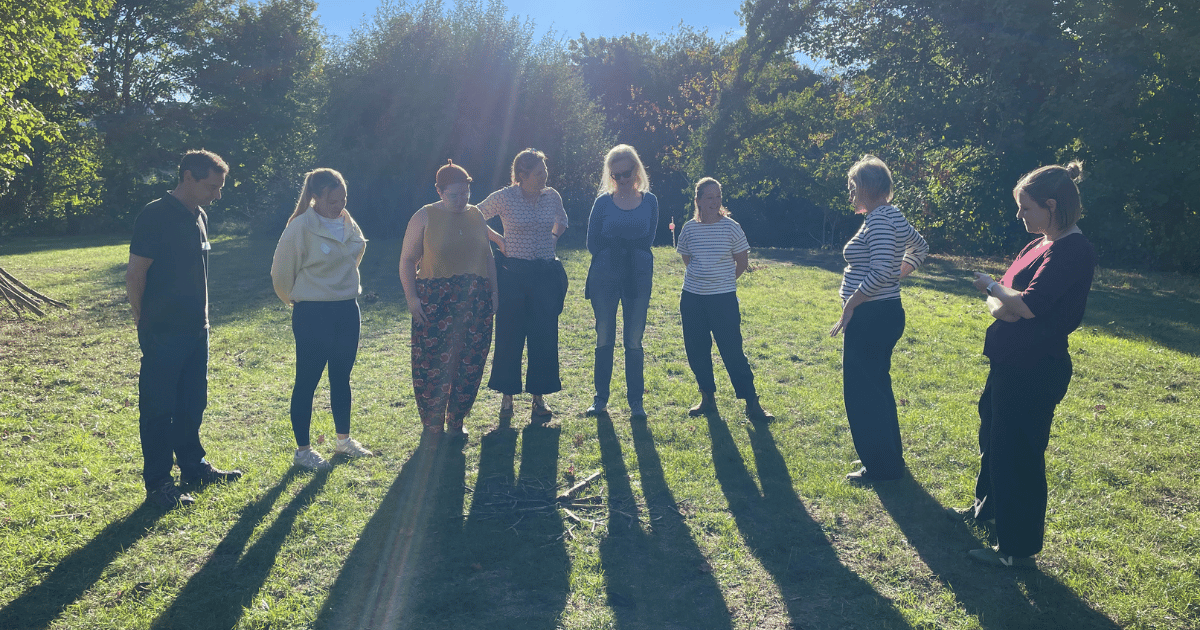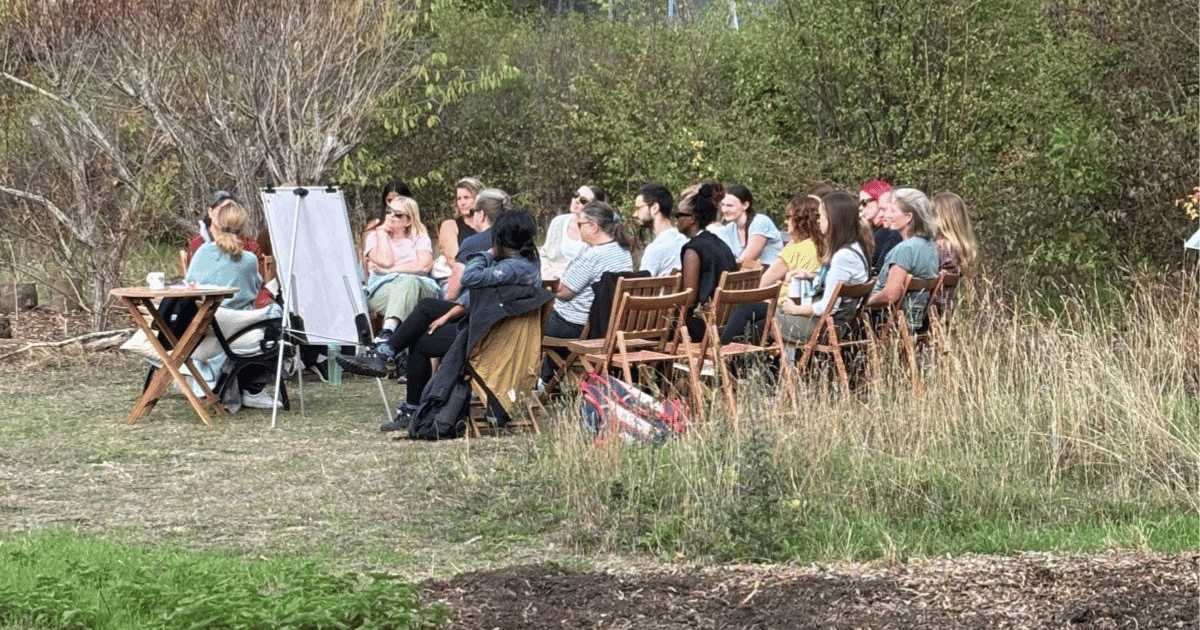
Dr Georgina Gould shares key insights from a recent BrainWaves webinar on how nature-based interventions and outdoor learning can support student mental health, wellbeing and resilience in schools.
With increasing levels of anxiety, depression and emotionally based school avoidance among children and young people, schools are seeking practical, sustainable ways to support student mental health.
Earlier this month, our Clinical Lead, Dr Georgina Gould, joined BrainWaves and educators from across the UK for a webinar called “A dose of nature: Using outdoor spaces in schools for better student wellbeing”. She spoke on The BrainWaves webinar with Katy Kelly the Assistant Head (Nature) at Mount Kelly School. Together, they shared fascinating insights and simple, scalable strategies for embedding nature into school environments.
What happens when we step outside?
Many young people instinctively recognise that being outdoors helps them feel better. Increasingly, research is helping us understand why.
Nature helps calm the nervous system: When we spend time in natural environments, the parasympathetic nervous system becomes more active. This helps reduce the body's "fight, flight or freeze" response, lowering stress levels and creating the conditions for learning, emotional regulation and clear thinking. This is particularly relevant at a time when many young people are experiencing heightened levels of stress and anxiety in everyday life.
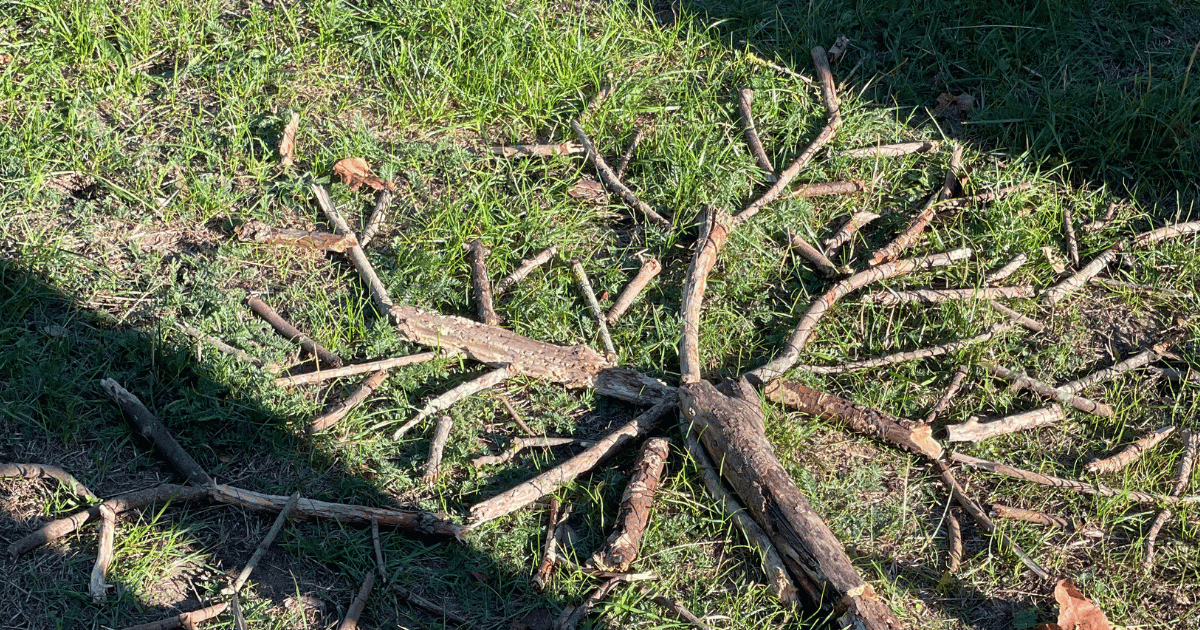
Fractals and the science of wakeful relaxation: Nature is full of repeating geometric patterns known as fractals. These can be seen in leaf veins, clouds, branches and river systems. Research suggests that exposure to fractal patterns increases alpha brain wave activity, helping to create a state of "wakeful relaxation" where we feel calm without becoming disengaged. It is a state that supports creativity, motivation and learning.
Natural environments help restore attention: Attention Restoration Theory suggests that time spent in nature allows our directed attention to recover.
For pupils who spend much of their day concentrating, processing information and responding to demands, even brief moments outdoors can help reduce cognitive fatigue and restore focus.
Nature provides a sense of connection: Natural environments can also offer stability, belonging and perspective. For young people experiencing loneliness, uncertainty or emotional challenges, nature can act as a reassuring constant, helping them feel connected to something larger than themselves.
You don't need acres of green space
One of the key messages from the discussion was that meaningful nature connection does not require extensive grounds or specialist facilities. Even schools in urban environments can create opportunities for students to engage with nature throughout the day.
Simple ideas for schools:
1. The Wonder Walk
Take a five-minute walk around school grounds and encourage pupils to find one thing that makes them stop and say "wow".
2. Rainbow Walks
Challenge students to spot something in nature representing each colour of the rainbow.
3. Fractal Hunts
Encourage children to identify repeating patterns in leaves, bark, flowers or clouds.
4. Cloud or Stargazing
Create short moments of observation and reflection during form time or lesson transitions.

Making the most of nature in urban schools
Limited green space doesn't need to be a barrier. Some simple approaches include:
- Noticing "micro-nature", such as weeds emerging through pavements, birds on rooftops or insects in playgrounds.
- Bringing natural materials such as leaves, pinecones or seeds into lessons.
- Creating classroom growing projects using herbs, flowers or vegetables.
- Using apps such as Merlin or Seek to encourage curiosity and exploration.
The aim is not simply to get students outdoors, but to nurture connection, curiosity and engagement with the natural world around them.

Overcoming common barriers
Schools often tell us they face practical challenges when introducing more outdoor activities.
"The weather is a problem" - One solution shared during the webinar was the idea of a "Welly Amnesty", inviting families and local communities to donate unused outdoor clothing and footwear.
"Staff don't feel confident" - Starting small can make a significant difference. Encouraging staff to share experiences, ideas and successes helps build confidence and creates a culture where outdoor learning feels achievable and valued.
"We don't have enough time" - Nature connection doesn't need to mean lengthy sessions outside. Five minutes before registration, a walking conversation with a student, or a short outdoor brain break can all have a meaningful impact.
Three key takeaways for schools:
1. Start with staff
When staff members experience the benefits of nature connection themselves, they are often more confident introducing opportunities for students.
2. Focus on connection, not just time outdoors
Being outside is only part of the picture. Encouraging young people to notice, observe and engage with their surroundings is what helps create meaningful connection.
3. Give it a go
Nature-based approaches do not need to be perfect. Small, consistent experiences can be the first step towards building resilience, curiosity and wellbeing.
As educators continue to look for accessible ways to support student mental health, nature remains one of the most underused resources available to us. Whether it's a five-minute wonder walk, noticing patterns in a leaf, or simply taking learning beyond four walls, meaningful opportunities to connect with nature can help young people feel calmer, more connected and better able to flourish.
At Dose of Nature, we're passionate about helping people discover the powerful connection between nature and wellbeing, and we're delighted to see increasing interest from schools looking to bring these benefits to young people.
This article is based on insights shared by Dr Georgina Gould, Clinical Lead at Dose of Nature, during the BrainWaves webinar "A Dose of Nature: Using Outdoor Spaces in Schools for Better Student Mental Health". BrainWaves is a registered charity transforming how schools, researchers, and young people access data, tools, and learning to improve mental wellbeing.
Watch the Webinar below...
Interested in learning more about nature-based approaches to mental health and wellbeing?
Join our mailing list to receive our emails where we share ways you can learn how to build nature connection in your daily life, or with your school, organisation or community.
Latest News